
How Often Do Brakes Need to Be Replaced?
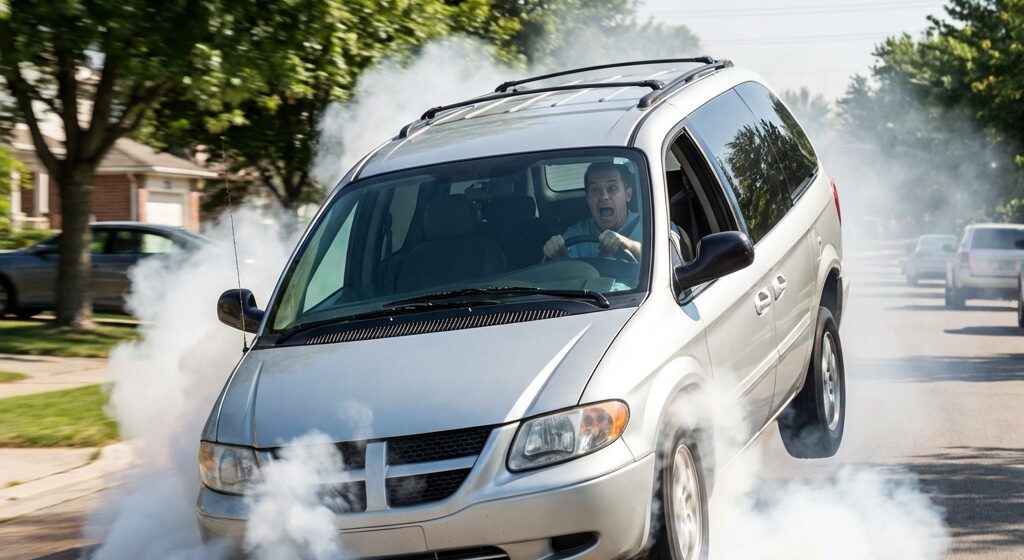
If you’re waiting until your brakes sound bad… you’re usually already paying extra. 🚗🛑
The real goal is to catch brake wear early—while it’s still a simple pad service instead of pads + rotors (or worse).
Want us to inspect yours at your home or workplace? Contact Brakes Only Mobile Service.

The Quick Answer (Mileage Ranges)
There isn’t one universal schedule, because brake life depends heavily on driving style and conditions. That said, most sources agree on a typical range:
- Brake pads: often fall somewhere around 30,000–80,000 miles depending on city vs. highway driving. (Bridgestone notes urban driving can be ~30–35k and lighter highway use may last much longer.) :contentReference[oaicite:0]{index=0}
- Stop-and-go / city driving: can shorten brake life significantly (Cars.com cites examples as low as ~15,000–30,000 miles in heavy city/rush-hour use, versus much longer with mostly highway miles). :contentReference[oaicite:1]{index=1}
Translation: your “how often” is best answered by inspection—not guessing.
You can see our full process here: Mobile Brake Services.
One Key Insight That Saves People Money
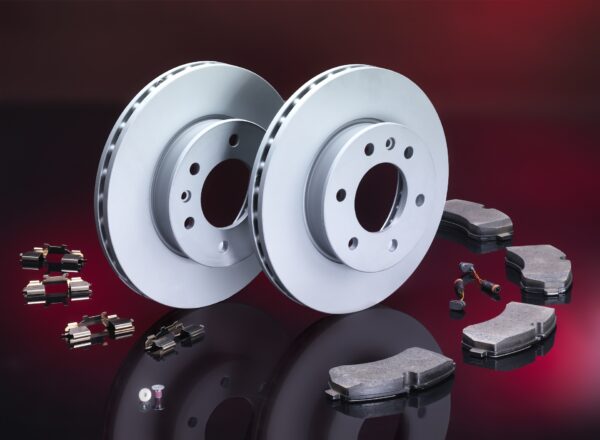
Brake pads usually wear out before rotors—but only if you replace them in time.
Once pads wear down too far, the backing plate can start damaging the rotor surface. That’s when a “pads-only” situation often turns into a “pads + rotors” job.
Many modern vehicles also have wear indicators that squeal when pads are getting low—AAA explains these indicators are designed to warn you before damage happens.
Signs You’re Due (Don’t Wait for Grinding)
Common indicators include:
- Squeaking/squealing when braking (often early warning)
- Grinding (usually means you waited too long)
- Vibration or pulsation when stopping
- Longer stopping distance or softer pedal feel
- Vehicle pulling to one side while braking
AAA also outlines multiple warning signs to watch for, including noises and performance changes. :contentReference[oaicite:3]{index=3}
And Allstate provides a simple guide to checking pads and recognizing symptoms. :contentReference[oaicite:4]{index=4}
How Brakes Only Mobile Service Helps (Without the Guesswork)
At Brakes Only Mobile Service, we come to you and inspect first—so you don’t replace parts too early or too late.
We’ll confirm:
- Pad thickness and wear pattern
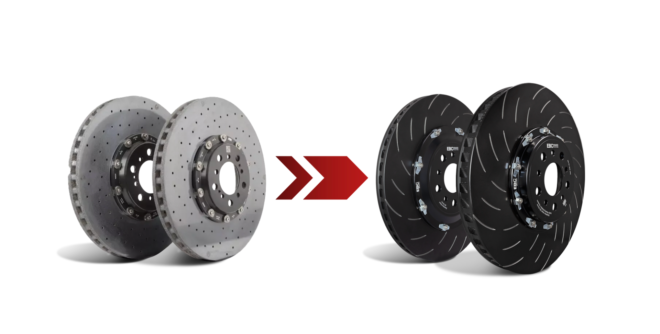
- Rotor condition (heat spots, grooves, rust lip, thickness spec)
- Caliper function (seized/sticking issues that destroy pads fast)
- Whether sensors (when equipped) need replacement
Ready for a quote or inspection? Contact us here.
Helpful High-Authority Resources (For Deeper Reading)
- AAA: Signs That Your Brake Pads Need Attention :contentReference[oaicite:5]{index=5}
- Bridgestone: When to Replace Brake Pads :contentReference[oaicite:6]{index=6}
- Cars.com: How Long Do Brakes Last? :contentReference[oaicite:7]{index=7}
- Allstate: How to Check Brake Pads for Wear :contentReference[oaicite:8]{index=8}
FAQ
Is there a set schedule for replacing brakes?
Not really—mileage varies widely based on driving conditions. That’s why an inspection is the best way to avoid replacing parts too early or too late. :contentReference[oaicite:9]{index=9}
What’s the biggest mistake people make?
Waiting until grinding. Early squeaks can be warning signs (like wear indicators) that help prevent rotor damage if addressed promptly. :contentReference[oaicite:10]{index=10}
Can you come to my home or workplace?
Yes—Brakes Only Mobile Service is built around on-site inspection and repair. Get started here:
Contact / Schedule.